
Introduction
In 2026, tensions between Iran and the United States have escalated, sending shockwaves across global oil markets. This geopolitical conflict has raised concerns about a potential spike in crude oil prices, which could directly influence Australia’s economy. Investors, homeowners, and policymakers are closely monitoring the situation to anticipate the effects on interest rates, inflation, and the real estate market. In this article, we explore the possible scenarios and provide actionable insights for navigating this challenging environment.
Background of Iran-US Tensions
First, understanding the roots of the conflict is crucial. Historical disputes over nuclear programs, sanctions, and military presence in the Middle East have repeatedly strained relations between Iran and the United States. Additionally, the recent escalation in 2026 involves strategic oil production zones and maritime security concerns.
Moreover, any military confrontation or sanctions disruption in this region can drastically reduce global oil supply. According to the International Energy Agency (IEA), Iran and the surrounding Gulf countries account for nearly 20% of global crude oil production. Therefore, even a minor disruption could trigger significant price volatility worldwide.
For more information on global oil markets, see IEA Oil Market Report.
Oil Price Surge in 2026
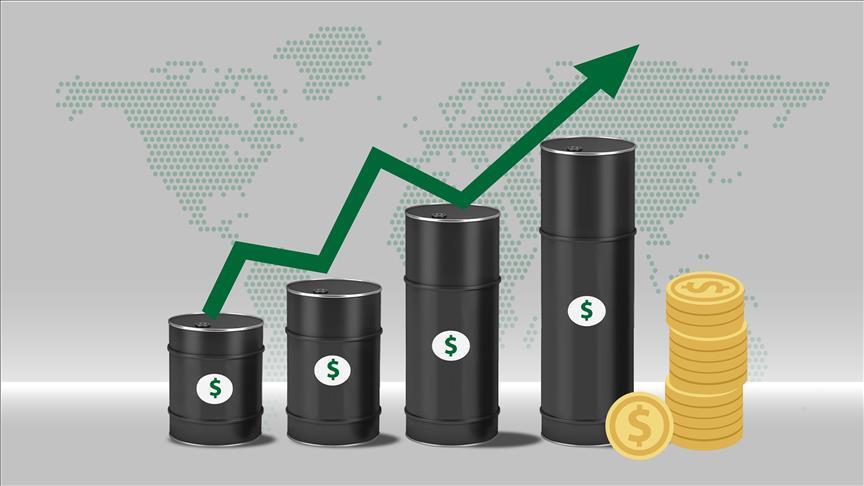
Second, experts forecast that crude oil prices could rise by 20–30% within months if conflict escalates. This surge is primarily driven by supply constraints and market panic. For instance, Brent crude, the global benchmark, may exceed $120 per barrel, while WTI crude could follow a similar trend.
Additionally, higher oil prices tend to increase production costs across industries, leading to broader inflationary pressures. Countries reliant on oil imports, such as Australia, may face higher energy costs, which in turn can strain households and businesses.
Finally, investors often react to oil volatility by reallocating funds toward energy stocks, commodities, or protective hedges. This movement further amplifies market fluctuations and global economic uncertainty.
Source: Pixabay (royalty-free image)
In my view, short-term oil price spikes tend to trigger emotional reactions in the market, but what matters more is how long the disruption lasts. From previous crises, I’ve noticed that temporary shocks often create buying opportunities rather than long-term economic damage.
Rising oil prices can significantly impact global markets and inflation. For a broader perspective, read our analysis on gold price trends and economic uncertainty.
Effects on Australian Economy
Third, the Australian economy is particularly sensitive to oil price shocks. Although Australia is not a major oil exporter, higher global prices influence domestic energy costs, transport, and manufacturing.
Consequently, the Reserve Bank of Australia (RBA) may consider raising interest rates to curb inflation. Higher rates could reduce consumer spending and slow economic growth. According to RBA Reports, even a 0.25–0.50% rate hike can impact mortgage affordability and corporate investment decisions.
Additionally, the Australian dollar may depreciate against the US dollar as investors seek safer assets amid geopolitical uncertainty. This depreciation can further increase the cost of imported goods, intensifying inflationary pressure.
Personally, I think the bigger risk for Australia is not just rising oil prices, but the combined effect of currency depreciation and interest rate hikes. When these factors occur together, the pressure on households becomes much more significant than many expect.
Impact on Australian Real Estate
Fourth, rising interest rates and inflation directly affect the housing market. Potential homebuyers may face higher mortgage payments, reducing demand in certain regions. Conversely, property investors might seek assets that hedge against inflation, such as commercial real estate or prime residential locations.
Moreover, areas with strong rental demand, like Sydney and Melbourne, could experience relative stability, while suburban or regional markets may see slower growth. For example, a 1% increase in mortgage rates historically correlates with a 2–3% slowdown in property price appreciation.
From what I’ve observed in past market cycles, prime locations tend to recover faster even during economic stress. This suggests that long-term investors should focus more on location quality rather than short-term price fluctuations.
For a detailed guide on housing trends, visit CoreLogic Australia.
Investment Strategies
Fifth, navigating this period requires proactive investment strategies. Diversification is key. Investors may consider:
- Energy ETFs or stocks to benefit from oil price surges
- Government bonds or safe-haven currencies to hedge volatility
- Real estate in high-demand areas to protect long-term growth
Additionally, staying informed about geopolitical developments and central bank decisions is critical. Subscribing to reliable financial news sources can help in timely decision-making.
Conclusion
In conclusion, the 2026 Iran-US conflict may trigger a significant spike in oil prices, influencing Australia’s economy, interest rates, and real estate market. First, investors should anticipate higher energy costs and potential rate hikes. Second, careful portfolio diversification and risk management are essential. Finally, staying informed and acting strategically will help mitigate the economic uncertainty caused by geopolitical tensions.
Frequently Asked Questions (FAQ)
What is causing the 2026 oil crisis?
The 2026 oil crisis is mainly driven by rising geopolitical tensions between Iran and the United States, which threaten global oil supply and create market uncertainty.
How will the oil price surge affect Australia?
Higher oil prices increase fuel and energy costs in Australia, leading to inflation and potentially forcing the Reserve Bank of Australia to raise interest rates.
Will Australian property prices fall due to rising interest rates?
Rising interest rates may slow property price growth, but high-demand areas like Sydney and Melbourne could remain relatively stable due to strong housing demand.
Is real estate still a good investment during an oil crisis?
Real estate can still be a strong long-term investment, especially in prime locations, as property often acts as a hedge against inflation.
What investment strategies work best during oil price volatility?
Diversification is key. Investors often consider energy stocks, commodities, bonds, and stable real estate assets to reduce risk during volatile periods.