
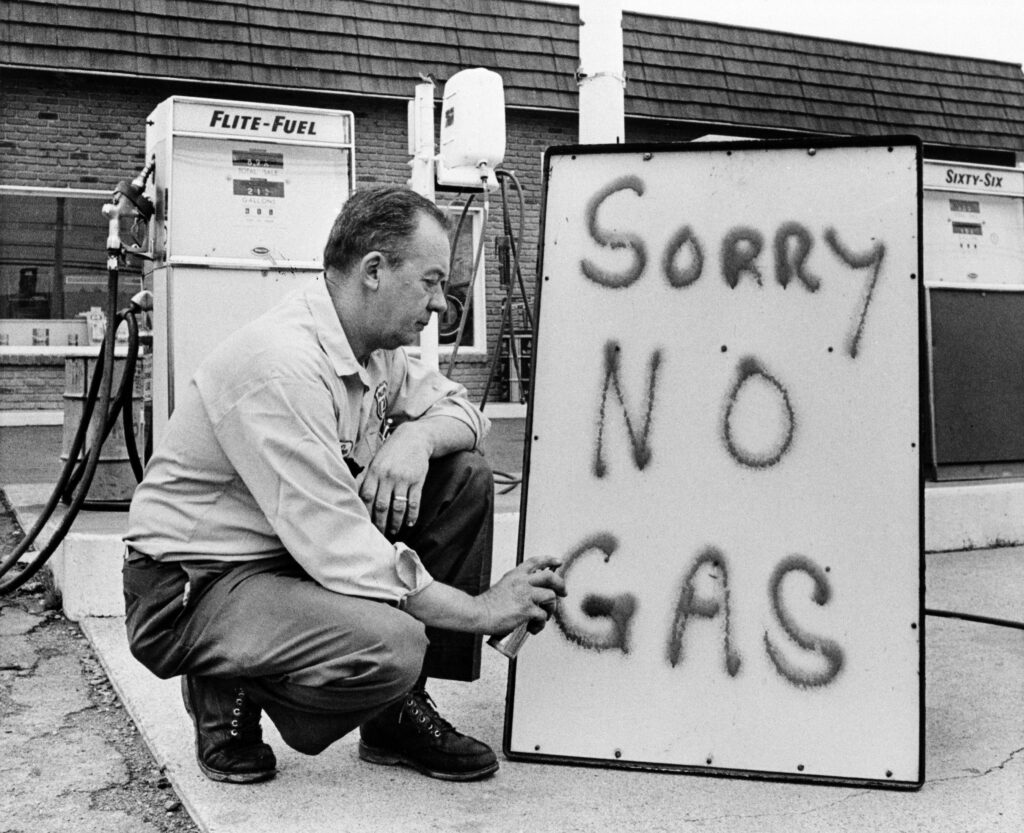
Global Conflict and Oil Price Surge
In 2026, global geopolitical tensions associated with the leadership stance of Donald Trump have significantly influenced energy markets. Conflicts involving major oil-producing regions have disrupted supply chains, leading to sharp increases in crude oil prices. As oil is a foundational input for transportation, manufacturing, and energy production, rising prices quickly spread across global economies.
For Australia, which is heavily reliant on imported fuel, this creates immediate cost pressure. Businesses face higher operational expenses, and consumers experience rising fuel and living costs. Therefore, oil price movements are not isolated—they trigger a chain reaction affecting inflation, monetary policy, and ultimately asset markets.
Inflation Pressure and Interest Rate Response
As oil prices surge, inflation naturally follows. Higher transportation and production costs lead to increased prices for goods and services. In Australia, inflation has remained one of the key concerns for policymakers throughout 2026. The Reserve Bank of Australia responds by maintaining or increasing interest rates to control spending and stabilize prices.
However, this creates a difficult balancing act. While higher interest rates reduce inflation, they also slow economic growth and increase financial pressure on households. Mortgage repayments rise, consumer spending declines, and business investments become more cautious. This environment requires investors to rethink their strategies carefully.
Mid Insight
Understanding how inflation impacts investments is critical. For a deeper breakdown, read our guide on inflation and investment strategies, which explains how different assets react during inflationary periods.
Impact on Australian Property Market
The property market in Australia is directly affected by rising interest rates. Higher borrowing costs reduce purchasing power, which slows down housing demand. As a result, property price growth has moderated in many regions throughout 2026. However, a full market collapse remains unlikely due to limited housing supply and strong population growth.
Rental markets, on the other hand, are experiencing significant pressure. As fewer people can afford to buy homes, demand for rental properties increases, pushing rents higher. This creates a unique situation where property investors may face short-term challenges in acquisition but benefit from long-term rental income growth.
Personal Insight #1
In my view, global conflicts often create short-term panic but long-term opportunity. Investors who remain calm during volatility are more likely to benefit when markets stabilize.
Personal Insight #2
From my perspective, the relationship between oil prices and inflation is underestimated by many new investors. Understanding this connection provides a major advantage in predicting market trends.
Personal Insight #3
In my opinion, property remains a resilient asset class despite rising interest rates. While short-term growth may slow, long-term fundamentals such as population growth and housing shortages continue to support the market.
Conclusion
In conclusion, geopolitical tensions linked to Trump-era policies in 2026 are driving a complex economic cycle involving oil price increases, rising inflation, and higher interest rates. These factors are reshaping the Australian property market and investment landscape. Investors who understand these interconnected dynamics will be better positioned to navigate uncertainty and identify opportunities.
Frequently Asked Questions
1. Why are oil prices rising in 2026?
Geopolitical conflicts and supply disruptions are the main reasons.
2. How does oil affect inflation?
Higher oil prices increase transportation and production costs.
3. Will interest rates keep rising?
It depends on inflation trends and economic conditions.
4. Is property still a good investment?
Yes, especially for long-term investors.
5. What should investors focus on?
Understanding macroeconomic trends and maintaining discipline.